
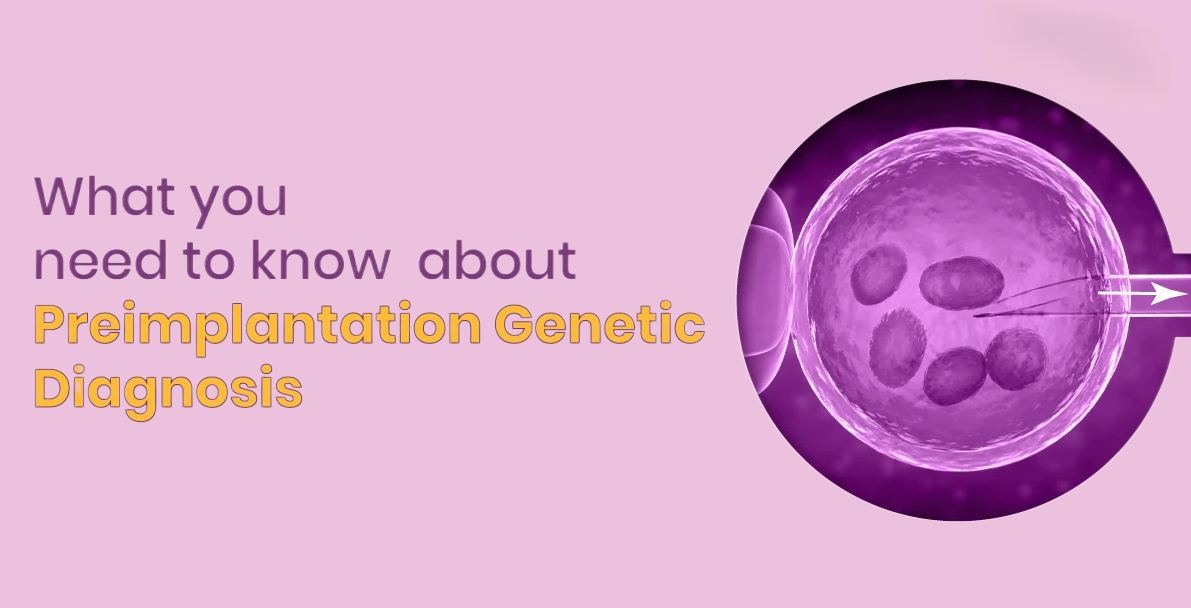
What Is Preimplantation Genetic Diagnosis (PGD)?
Preimplantation Genetic Diagnosis (PGD or PIGD) is a specialized genetic test performed on embryos before they are implanted in the uterus. In some cases, it may also be used to screen eggs before fertilization. PGD is commonly used during in-vitro fertilization (IVF) to detect genetic abnormalities, helping ensure that only healthy embryos are selected for transfer.
PGD is different from Preimplantation Genetic Screening (PGS). While PGS is done even when both parents are genetically normal (to check for chromosomal abnormalities), PGD is specifically recommended when one or both parents carry a known genetic defect that could be passed on to the child.
📅 Book an online appointment with Dr. Arockia Virgin Fernando for expert fertility guidance.
How Is PGD Done?
PGD is performed as part of the IVF process. It involves several steps:
🔎 Must Read: Preimplantation Genetic Screening & Diagnosis Technology
PGD is a detailed, time-intensive process that includes ovarian stimulation, embryo development, genetic testing, and implantation.
📞 Consult: The Best Fertility Specialist in bangalore

Who Should Consider PGD?
PGD is recommended for couples who are at higher risk of passing genetic conditions to their children, including:
Benefits of PGD
Preimplantation Genetic Diagnosis offers several advantages:
While PGD cannot detect every genetic abnormality, it greatly reduces the likelihood of many serious disorders.
🔗 To Know More: About Preimplantation Genetic Screening
PGD at Avf Fertility Clinic
At Avf Fertility Clinic, we understand that every pregnancy journey is precious. We are committed to helping you make informed choices by offering advanced reproductive technologies, including PGD and a full range of assisted reproductive treatments. Our experienced specialists are dedicated to guiding you with expertise, compassion, and world-class care.