Vaginal Yeast Infection
An uncomfortable and often embarrassing condition affecting the intimate area, commonly accompanied by itching and irritation.
Example:
"I think I have a yeast infection."
"Oh no, that sounds uncomfortable—hope you feel better soon."
If you’ve experienced a vaginal yeast infection or recognize some of its symptoms, it’s important to understand what causes it, the risk factors involved, and whether it can affect fertility.
Considerations To Make While Choosing The Best Fertility Center In bangalore.
Understanding Vaginal Yeast Infections

A vaginal yeast infection is a fungal infection that leads to itching, irritation, inflammation, and abnormal discharge. Around 75% of women experience at least one episode in their lifetime, with many having more than one.
The most common cause is Candida albicans, responsible for about 92% of cases. Although this fungus naturally exists in the body, an imbalance can trigger an overgrowth and lead to infection. Up to 50% of women may carry Candida without showing symptoms.
Causes of Yeast Infections
An imbalance in vaginal flora can occur due to several factors:
Symptoms of a Yeast Infection
Because symptoms overlap with other vaginal infections, professional diagnosis is important. Common signs include:
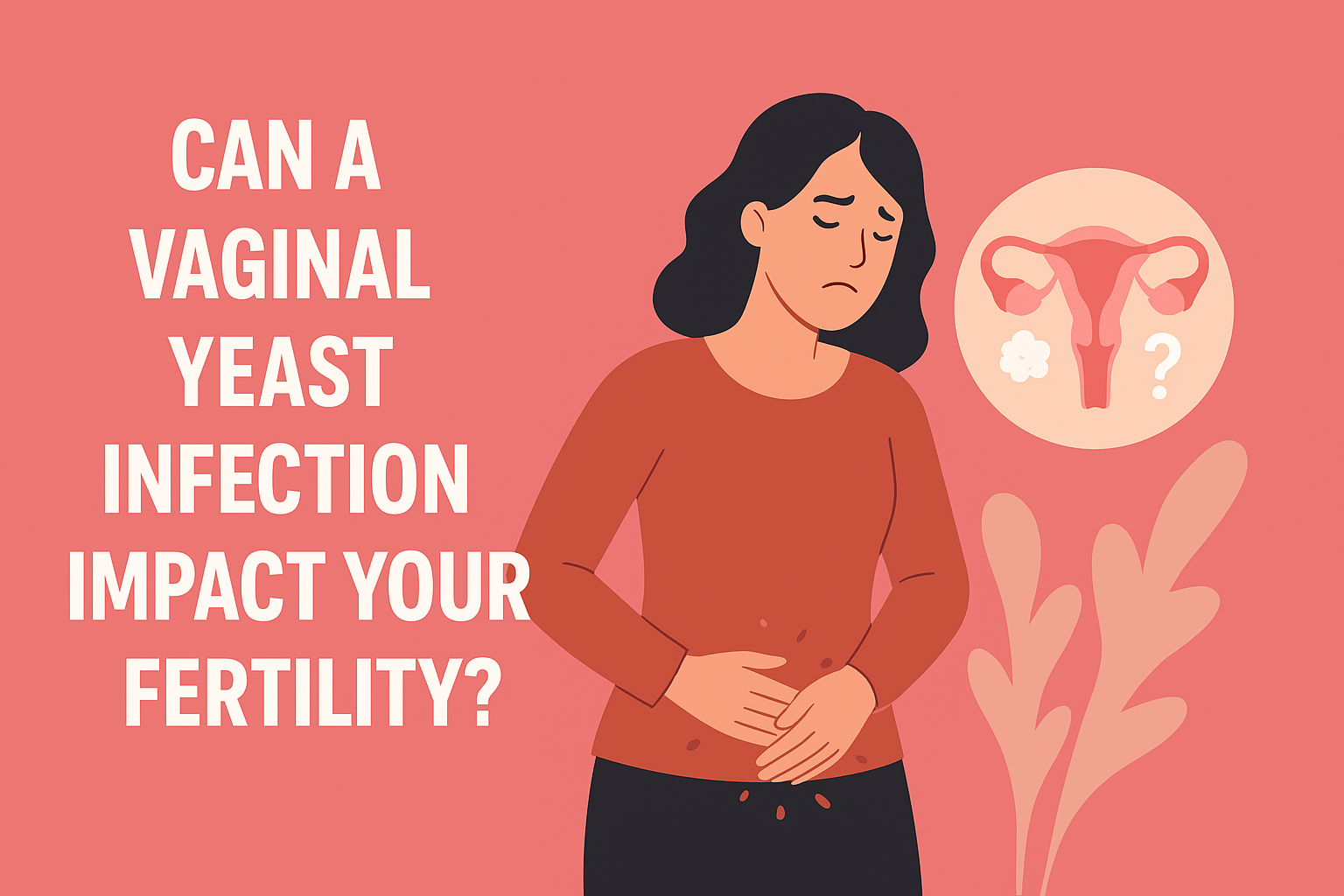
Can Yeast Infections Affect Fertility?

A one-time infection that is treated promptly does not typically affect fertility. The main impact may be reduced desire for intercourse due to discomfort.
However, recurrent infections can interfere with:
In severe or chronic cases, this disruption may contribute to difficulty conceiving. It’s important to be infection-free before pregnancy to protect both your partner and your baby.
How to Reduce the Impact of Yeast Infections
1. Dietary Changes
Certain foods promote fungal growth. During treatment, avoid:
Opt for:
Your doctor may also suggest probiotics or multivitamins to improve immunity. Dietary improvements may take up to 6 weeks to show results.
2. Topical Remedies
Several home remedies and medical treatments can help:
Always consult your gynecologist before starting any topical treatment.
Takeaway
Yeast infections are common, uncomfortable, and often easy to treat. Understanding your triggers and following a proper treatment plan can reduce recurrence and help protect your reproductive health. If symptoms persist or occur frequently, seek medical advice for a tailored treatment approach.